
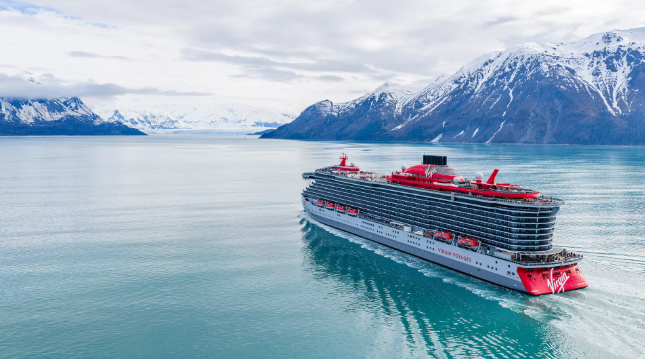
An Alaska cruise can feel like several vacations packed into a single journey. One morning may begin with views of forested coastline and mountains, while the afternoon brings a walk through a historic port community or an excursion into the wilderness. The scenery is a major attraction, but the region’s changing weather and varied activities also make preparation especially important.
Travelers do not need to plan every minute before leaving home. They can, however, make the trip more comfortable by understanding the conditions they may encounter and preparing for different types of days. Clothing, excursions, wildlife viewing, time in port, and even what goes into a day bag can influence the experience. A flexible approach leaves room for unexpected moments while making it easier to enjoy everything the destination offers.
Dress for Several Conditions in One Day
Packing for Alaska cruises can be different from packing for a traditional warm-weather vacation because conditions may change throughout the day. Temperatures can feel comfortable while walking through town and noticeably cooler when the ship approaches glaciers or when passengers spend extended periods outside on deck.
Layers are particularly useful. Instead of relying on one extremely heavy coat, travelers can combine a comfortable base layer with a sweater or fleece and a weather-resistant outer layer. Individual pieces can then be removed or added as conditions change.
Rain protection is another practical consideration. A lightweight waterproof or water-resistant jacket can be useful during port visits, especially when an excursion involves significant time outdoors. Comfortable walking shoes with dependable traction are also helpful because activities may include docks, trails, wet sidewalks, or uneven surfaces.
Passengers should keep some outdoor clothing accessible rather than packing everything away in their cabin. Interesting scenery and wildlife can appear unexpectedly, and being able to step outside quickly makes spontaneous viewing easier.
See also: Free Cremation for Low-Income Families in Massachusetts: Who Qualifies and How
Choose Excursions Around Interests and Activity Levels
Alaska offers a wide range of shore experiences, which means travelers should think about what they genuinely enjoy instead of selecting excursions simply because they are popular.
Active travelers might be interested in hiking, kayaking, cycling, or other outdoor adventures. Those who prefer a slower pace could choose sightseeing tours, cultural experiences, wildlife viewing, scenic transportation, or guided walks through port communities.
Physical requirements deserve careful attention. Excursion descriptions generally provide information about activity levels, but travelers should consider their personal mobility and comfort as well. A beautiful excursion becomes less enjoyable when someone spends the entire experience worried about keeping up with the group.
Budget can also influence planning. Shore excursions can become a significant part of total vacation spending, particularly for families or groups. Passengers do not necessarily need a paid activity in every port. Exploring independently can provide time for local restaurants, museums, shopping, historical sites, and waterfront areas.
Leaving some flexibility can make the itinerary feel less rushed. A combination of structured excursions and independent exploration often provides a good balance between seeing major attractions and simply experiencing the destination.
Make Wildlife Viewing Part of the Journey
Wildlife is one of the reasons many travelers are drawn to Alaska, but sightings are never guaranteed. Whales, bears, eagles, sea otters, seals, and other animals live throughout the region, and what passengers encounter depends on location, season, weather, and simple chance.
Travelers can improve the experience by bringing binoculars and paying attention while the ship is sailing through scenic areas. Wildlife viewing does not only happen during organized excursions. Passengers who regularly spend time on outside decks may notice animals that others miss.
Photography equipment should be chosen with practicality in mind. A large camera setup can produce excellent results for experienced photographers, but it can also become cumbersome during excursions. Many travelers may prefer a smaller camera or smartphone combined with binoculars.
It is also worth remembering that experiencing the moment matters more than capturing a perfect photograph. A distant whale surfacing against a mountain backdrop can become a memorable part of the trip even when the resulting picture is less dramatic than expected.
Use Port Time Thoughtfully
Cruise schedules provide passengers with a limited window in each destination, so basic planning can prevent unnecessary stress. Before arriving, travelers can identify a few priorities and understand approximately how far they are from the ship.
Passengers taking independent excursions should pay particular attention to timing. Transportation delays, weather, and distance can all affect how quickly someone returns to port. Building extra time into the schedule is generally preferable to planning an activity that depends on everything running perfectly.
Port days can also be physically demanding. Travelers may walk considerably more than expected, particularly when combining excursions with sightseeing and shopping. Carrying water, appropriate clothing, necessary medication, and a portable charger can make a long day easier.
A small backpack or day bag is often sufficient for essentials. Bringing too much can become inconvenient, especially when moving between transportation, attractions, and walking areas.
Enjoy the Scenery Between Destinations
It is easy to think of cruising primarily as transportation between ports, but in Alaska the sailing itself can be a major part of the experience. Mountains, islands, forests, waterways, and glaciers can turn ordinary transit time into sightseeing.
Passengers can check the ship’s schedule for scenic cruising periods and plan accordingly. Observation areas and outside decks may become busy when the vessel approaches particularly impressive landscapes, so arriving early can provide a better viewing position.
Cabin selection may influence how much private viewing travelers can enjoy, but passengers without balconies still have plenty of opportunities to experience the scenery from public spaces. Ships generally offer multiple viewing locations, and moving around can provide different perspectives.
Weather can add character to the landscape as well. Mist, clouds, and changing light can create dramatic views rather than ruining the day. Travelers who expect every moment to be sunny may be disappointed, while those prepared for changing conditions can appreciate the region in many different moods.
Prepare Without Overplanning
Good preparation can make an Alaska cruise more comfortable, but an overly rigid schedule can work against the spirit of the destination. Weather changes, wildlife behaves unpredictably, and sometimes an unexpected stop in a local café becomes as memorable as a carefully planned excursion.
Travelers can prepare by packing adaptable clothing, researching ports, selecting a few priority activities, and understanding the practical details of their itinerary. Once those basics are handled, there is room to enjoy the journey as it unfolds.
Alaska rewards curiosity. The most memorable experiences may happen during a planned adventure, while watching the coastline from the ship, or during an ordinary walk through a port town. Preparing for variety allows travelers to embrace those possibilities instead of worrying when the day does not unfold exactly as expected.
A cruise through Alaska is ultimately about experiencing a landscape that can feel dramatically different from one hour to the next. Travelers who arrive prepared for those changes can spend less time thinking about logistics and more time appreciating the mountains, waterways, wildlife, communities, and quiet moments that make the journey distinctive.
