For many people, getting from one place to another has become an everyday challenge. Busy roads, limited parking, expensive fuel, and long commutes can make even short journeys frustrating. At the same time, traditional bicycles are not always practical for everyone, especially when a route includes steep hills or a considerable distance.
Electric bikes offer a middle ground.
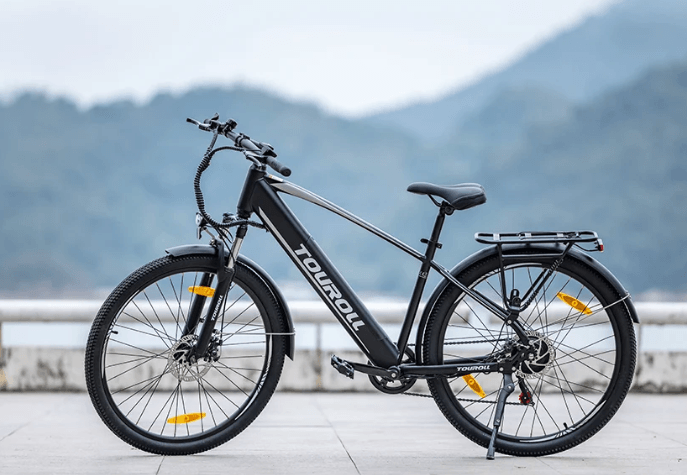
An electric bike, often called an e-bike, combines the familiar design of a bicycle with a battery-powered motor that provides assistance while riding. The rider still has control of the bicycle, but the motor can reduce some of the effort required to travel.
This simple idea has made e-bikes increasingly popular among commuters, recreational riders, and people looking for a practical alternative to short car journeys.
What Is an Electric Bike?
An electric bike looks similar to an ordinary bicycle, but it includes several additional components.
The most important are usually the battery, motor, controller, and sensors. When the rider pedals, the system can provide additional power according to the bike’s design and selected assistance level.
Some models are designed mainly for city commuting, while others are built for carrying cargo, folding for easy storage, or handling rougher terrain.
The experience can feel surprisingly natural. On a flat road, a rider may barely notice the assistance. When a hill appears, however, the motor can make the climb considerably easier.
That flexibility is one of the main attractions of e-bikes.
Why Commuters Are Interested in E-Bikes
Daily transportation is one of the most practical uses for an electric bike.
Driving a short distance can involve more effort than expected. Traffic may slow the journey, parking can take time, and fuel and maintenance add to the overall cost.
For people with suitable routes, an e-bike can provide another option.
A rider can travel through bicycle-friendly roads, avoid some traffic, and park in a smaller space. The journey may also provide some physical activity without requiring the rider to arrive exhausted at work.
An e-bike will not be suitable for every commute, but for short and medium-distance trips it can be a useful alternative.
Assistance Makes Cycling More Accessible
Traditional bicycles can be difficult for beginners.
A person who has not cycled regularly may find hills, strong winds, or longer distances discouraging. Someone may enjoy the idea of cycling but avoid it because they are worried about the physical effort.
Electric assistance can change that.
Instead of struggling through an entire journey, the rider can use additional power when needed. On easier sections, they can reduce the assistance and pedal more independently.
This makes the experience adaptable.
A beginner can gradually become more comfortable with cycling without feeling that every journey is a test of endurance.
E-Bikes Can Still Provide Exercise
There is sometimes a misconception that riding an electric bike means doing no physical activity.
That depends largely on how the bike is used.
Many e-bikes require the rider to pedal, with the motor providing assistance rather than doing all the work. Riders can adjust their effort according to the terrain, distance, and personal preference.
Someone might choose higher assistance on a steep hill and lower assistance on a flat road.
For people who are returning to exercise, this flexibility can be particularly useful. It allows them to remain active while managing the amount of effort involved.
Understanding Battery Range
Battery range is an important consideration when choosing an electric bike.
Manufacturers often provide an estimated range, but actual performance can vary.
Terrain is one major factor. A route containing many hills can consume more battery power than a flat route.
Other factors include rider weight, speed, weather, tire pressure, battery age, and the level of motor assistance being used.
For this reason, buyers should avoid choosing an e-bike based only on a single advertised range figure.
Think about your normal journeys instead. If you regularly travel a certain distance, choose a battery that provides enough capacity with a reasonable safety margin.
Battery Care and Charging
The battery is one of the most valuable components of an electric bike, so proper care is important.
Always use the charger recommended for the bike and follow the manufacturer’s instructions.
Storage conditions also matter. Extreme temperatures can affect battery performance, so a suitable indoor storage location is generally preferable when possible.
If a battery becomes physically damaged, unusually hot, swollen, or otherwise abnormal, it should not simply be treated as a normal maintenance issue. Appropriate professional advice should be sought.
Good battery habits can help maintain reliable performance over time.
She wasn’t doing a thing that I could see, except standing there leaning on the balcony railing. In the beginning God created the heaven and the earth. A dream you dream alone is only a dream.
Maintenance Still Matters
An e-bike is still a bicycle, which means ordinary mechanical maintenance remains important.
Tires should have appropriate pressure. Brakes need to be checked regularly. Chains and gears may require cleaning and adjustment.
The electrical system also needs attention.
Because e-bikes combine mechanical and electrical components, owners should understand which maintenance tasks they can safely perform themselves and which should be handled by a qualified technician.
Regular inspection is often easier and cheaper than waiting for a small problem to become a major repair.
Choosing the Right Model
Electric bikes come in many different designs.
A city commuter may want a comfortable frame, practical lights, and space for carrying everyday belongings. Someone living in a small apartment might prefer a folding design.
A rider who regularly transports groceries or equipment may need a cargo-style e-bike.
There are also models designed for recreational riding and rougher terrain.
Before buying, think about the roads you will use, the distance you expect to travel, storage space, comfort, and local regulations.
A bike should fit your lifestyle rather than simply having the longest list of impressive specifications.
Safety Comes First
Motor assistance can make an e-bike faster and more powerful than some traditional bicycles, so safety should never be overlooked.
New riders should spend time learning how the controls and brakes respond before entering busy traffic.
Lights and reflective equipment can improve visibility, particularly at night.
A properly fitted helmet is also a sensible safety precaution.
Riders should obey traffic laws and learn the regulations that apply to electric bicycles in their particular area. Requirements can differ significantly depending on location and bike classification.
Electric Bikes and the Environment
E-bikes are often viewed as a more environmentally friendly transportation option.
Their overall environmental impact depends on several factors, including manufacturing, battery production, electricity sources, maintenance, and how long the bike remains in use.
One of their clearest potential benefits comes when they replace car trips.
A short journey that would otherwise require a car can sometimes be completed by e-bike instead. Over time, replacing multiple short trips may reduce fuel consumption and the associated emissions.
The environmental advantage therefore depends heavily on actual use.
A Different Way to Think About Distance
Perhaps the most interesting thing about electric bikes is how they can change people’s perception of distance.
A destination that seems too far away on a conventional bicycle may suddenly feel manageable with motor assistance.
A person may decide to cycle to a local market, visit a friend, or commute to work instead of automatically taking the car.
This can gradually change everyday habits.
The e-bike becomes more than a recreational object. It becomes part of the transportation system of the household.
Are Electric Bikes Worth the Investment?
Whether an electric bike is worth buying depends on individual circumstances.
For someone who lives near work, has reasonable cycling routes, and expects to ride frequently, an e-bike can be a practical investment.
For someone who rarely cycles, lacks secure storage, or needs to travel very long distances on roads that are unsuitable for bicycles, it may be less useful.
The best decision comes from considering real-life needs rather than buying based on popularity alone.
See also: AI Flyer Makers for Online and Offline Promotions
The Future of E-Bike Travel
Electric bikes are likely to remain an important part of conversations about urban transportation.
As more people become familiar with them, cities may continue developing cycling infrastructure, parking facilities, and policies designed to accommodate different forms of transportation.
Manufacturers are also working on lighter designs, improved batteries, better controls, and more practical features.
But technology is only part of the picture.
For e-bikes to become a genuinely useful transportation option, riders need safe routes, secure places to park, reliable maintenance services, and clear rules.
Final Thoughts
Electric bikes offer an interesting combination of traditional cycling and modern technology.
They can make commuting easier, reduce the effort required on difficult routes, and encourage people to consider cycling for journeys they might otherwise make by car.
They are not a universal solution, and choosing one requires consideration of battery capacity, comfort, maintenance, safety, cost, and local conditions.
But when the right e-bike meets the right lifestyle, it can change the way a person thinks about everyday travel.
Instead of viewing a short journey as another unavoidable drive, an electric bike can turn it into an opportunity to get outside, move around, and enjoy the trip itself.
That combination of convenience and freedom is what makes electric bikes more than a passing trend. For many riders, they are becoming a practical part of everyday life.